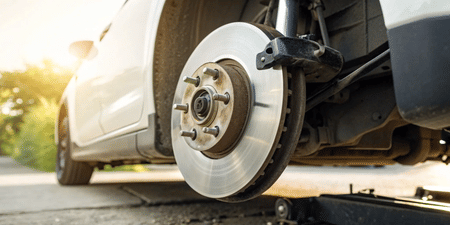
That high-pitched squeal you hear when you slow down isn't just an annoying sound—it's your car trying to tell you something important. Brake issues rarely appear out of nowhere; they usually start with small warnings that can be easy to dismiss. But ignoring them can lead to bigger, more expensive problems and compromise your safety. Understanding what these sounds and sensations mean is the first step toward responsible car ownership. We’ll break down the common signs of brake wear, explain what happens during a Mitsubishi brake service, and help you feel confident about when it’s time to schedule an appointment with a certified technician.
Key Takeaways
- Pay attention to your car's warning signs: Your Mitsubishi communicates brake issues through squealing or grinding noises, a soft or vibrating pedal, and specific dashboard lights. Addressing these signals promptly is the best way to ensure your safety.
- Proactive maintenance prevents costly repairs: Sticking to a regular service schedule helps catch worn brake pads before they can damage more expensive parts like rotors. This simple habit is the most effective way to manage maintenance costs.
- A thorough inspection is standard: Professional brake service involves more than a quick look. Certified technicians conduct a complete evaluation of your pads, rotors, calipers, hoses, and brake fluid to ensure the entire system is working correctly.
Is It Time for Brake Service? Watch for These Signs
Your car has its own way of communicating, and when it comes to brakes, it’s smart to listen up. Ignoring the early signs of brake wear can lead to more expensive repairs and compromise your safety on the road. Brakes don't just fail overnight; they usually give you plenty of warning that they need attention. By paying attention to what you see, hear, and feel while driving, you can catch potential issues before they become serious problems. Think of it as a routine check-in with your car—one that keeps you and your passengers safe on every trip around Brandon.
What you'll see and hear
Your ears are one of the best tools for diagnosing brake problems. If you hear a high-pitched metallic squeal when you press the brake pedal, that’s often the first sign your brake pads are getting thin. This sound is caused by a small metal indicator built into the pads specifically to warn you. If you hear a deeper grinding noise, it means the pads are completely worn down, and metal is scraping against metal. This can damage your rotors and lead to a much costlier repair. Don't turn up the radio to drown it out—that sound is your car telling you to schedule a service appointment right away.
How your car feels on the road
Sometimes, you can feel a brake problem before you hear it. Does your brake pedal feel soft, spongy, or "mushy" when you press it? Does it sink closer to the floor than it used to? This could indicate a problem with your brake fluid or a leak in the brake lines. Another red flag is a vibrating or pulsating sensation in the brake pedal or steering wheel when you slow down. This often points to warped rotors. Most importantly, if you notice your car takes even a second or two longer to stop than usual, it's a clear sign your brakes aren't performing as they should and need an immediate inspection.
Understanding your dashboard warning lights
Your Mitsubishi’s dashboard is your command center, and its warning lights are there for a reason. If the brake warning light (often an exclamation point inside a circle) comes on, it could mean anything from your parking brake being engaged to low brake fluid. Another critical light is the ABS (Anti-lock Braking System) indicator. If this light turns on, it signals a problem with the anti-lock system. Even if your brakes seem to be working normally, an ABS fault can be dangerous in a sudden stop. Don't ignore these lights; they are direct messages that your brake system needs a professional diagnosis from a certified technician.
What Does Mitsubishi Brake Service Include?
When you bring your Mitsubishi in for brake service, our technicians do more than just a quick check. A proper brake service is a detailed, systematic process designed to keep you safe on the road. It involves a thorough evaluation of every part of your braking system to catch wear and tear before it becomes a problem. Here’s a closer look at what our certified technicians inspect during a comprehensive brake service.
A full brake system inspection
The first step is always a complete inspection of your entire brake system. Think of it as a full physical for your brakes. Our technicians will carefully examine all the critical components, including the brake pads, rotors, calipers, and brake lines and hoses. They also check the master cylinder and the level and condition of your brake fluid. This comprehensive approach ensures we get a full picture of your brake health, allowing us to spot any signs of wear, leaks, or damage that could affect your car’s stopping power. It’s this attention to detail that helps prevent bigger issues down the road.
Checking your brake pads and rotors
Your brake pads and rotors are the components that do the heavy lifting, creating the friction needed to stop your car. Because they work so hard, they wear down over time. While brake pads can last anywhere from 10,000 to 20,000 miles, your driving style heavily influences their lifespan. During service, we measure the thickness of your pads to see how much life they have left. We also inspect the rotors for any warping or damage. For the best performance and safety, it’s a good practice to replace the rotors whenever you get new brake pads, ensuring a smooth, reliable stop every time.
Brake fluid check and replacement
It’s a common myth that brake fluid lasts the life of your vehicle, but that’s simply not true. Brake fluid is hygroscopic, meaning it absorbs moisture from the air over time. This moisture can lower the fluid's boiling point and lead to corrosion in the brake lines and calipers, reducing braking effectiveness. That's why a crucial part of any service is checking the brake fluid’s condition and level. If the fluid is old, dark, or contaminated, we’ll recommend a brake fluid flush to replace it with fresh fluid. This simple step is vital for maintaining a firm pedal feel and reliable stopping power.
Inspecting calipers and hoses
The calipers and hoses are the unsung heroes of your brake system. The hoses deliver pressurized brake fluid to the calipers, and the calipers then squeeze the brake pads against the rotors. During an inspection, our technicians check the flexible brake hoses for any cracks, leaks, or bulging that could lead to a loss of pressure. They also ensure the calipers aren't sticking or seized, which can cause uneven pad wear and pulling to one side when you brake. Paying attention to these essential components is key to ensuring the entire system works together seamlessly and safely, giving you confidence every time you press the pedal.
How Much Does Mitsubishi Brake Service Cost?
Let’s talk about one of the biggest questions on every car owner’s mind: the cost. When it comes to brake service, there isn’t a single price tag that fits every vehicle. The final bill depends on what your Mitsubishi needs to get back to stopping safely and smoothly. Understanding the factors that go into the price can help you feel more prepared and confident when you bring your car in for service.
From the type of parts used to your daily driving habits, several key elements determine the overall cost. Below, we’ll break down what influences the price, give you a general idea of what to expect, and share some practical tips on how to keep your maintenance costs manageable.
What influences the cost?
The final price for your brake service is shaped by a few key factors. First, your driving style and environment matter. Navigating frequent stop-and-go traffic around Brandon can wear out brakes more quickly than steady highway driving. The specific parts your Mitsubishi needs also play a big role. Different brake pads, rotors, and calipers are made from various materials, some of which last longer but come at a higher price. We always recommend using high-quality parts that meet or exceed Mitsubishi's standards to ensure your car performs as it should.
Typical costs for brake services
While a precise quote requires an inspection, we can give you a general idea of what to expect. A routine brake service, which often involves replacing the brake pads and sometimes the rotors on one axle (either the front or rear wheels), can typically cost a few hundred dollars. If your vehicle needs a more comprehensive brake job—including new pads, rotors, and calipers—the cost can range from around $300 to $800 or more, depending on your specific model and the parts required. The best way to know for sure is to have a technician take a look.
How to save on brake maintenance
The most effective way to save money on your brakes is through regular, proactive maintenance. Sticking to your service schedule helps catch wear and tear early, preventing smaller issues from turning into larger, more expensive problems down the road. For example, replacing worn brake pads on time can save you from needing to replace the more costly rotors they might have damaged. When you’re ready for service, be prepared to tell the technician your car’s year and model to get the most accurate estimate possible. Staying on top of maintenance not only saves you money but is also the best thing you can do for your safety.
How Often Should You Service Your Mitsubishi Brakes?
Knowing when to get your brakes serviced can feel like a guessing game, but it doesn't have to be. While your Mitsubishi has a recommended maintenance schedule, your personal driving habits and environment play a huge role. Staying on top of brake health is one of the most important things you can do for your safety and your wallet. Let’s walk through the key factors so you can feel confident about when it’s time to book a service appointment.
Your recommended maintenance schedule
As a general rule, Mitsubishi suggests that its models receive regular service every 12 months or 15,000 miles, whichever comes first. This is a great baseline to follow and ensures a technician is looking at your entire vehicle, including the brake system, at least once a year. Think of it as an annual check-up for your car. Of course, your vehicle’s owner’s manual is the ultimate guide for your specific model’s needs. This schedule helps catch potential issues before they become serious problems, keeping your car running smoothly and safely.
How your driving habits affect your brakes
The official maintenance schedule is a starting point, but how and where you drive significantly impacts how quickly your brakes wear down. If your daily commute involves a lot of stop-and-go traffic in Brandon or Tampa, you’re using your brakes far more frequently than someone who primarily drives on the highway. This type of city driving can wear out brake pads faster. Similarly, if you often tow a trailer or carry heavy loads, the extra weight puts more strain on your braking system. Understanding how your driving style affects your car helps you stay ahead of maintenance.
Why regular brake checks are a must
Proactive brake maintenance is about more than just following a schedule; it’s about safety and saving money. Catching worn brake pads early can prevent them from grinding down to the metal and damaging more expensive components like your rotors. A simple pad replacement is much more affordable than a full rotor and caliper job. If you notice any squealing, grinding, or changes in how your brake pedal feels, it's crucial to have your Mitsubishi checked by our skilled technicians. Regular inspections give you peace of mind and help you avoid bigger, more costly repairs down the road.
Get Expert Mitsubishi Brake Service in Brandon
When it comes to something as critical as your brakes, you want total peace of mind. That means turning to a team that knows your Mitsubishi inside and out. Here in Brandon, we focus on providing expert brake care that is straightforward and stress-free, so you can get back on the road with confidence.
Why trust our certified technicians
Your Mitsubishi is a finely tuned machine, and its braking system is no exception. That’s why our service center is staffed with certified technicians who are specifically trained to work on Mitsubishi vehicles. They aren’t just general mechanics; they are specialists who understand the unique engineering of your car, from the Outlander to the Mirage. This expertise ensures they can accurately diagnose any issue and perform repairs using the right tools and parts for your specific model. When you bring your car to us, you can feel confident that the job will be done right the first time, keeping you and your passengers safe on every drive.
What to expect at your appointment
We believe in making car care transparent and easy to understand. When you come in for brake service, our technicians will start with a comprehensive inspection of your entire brake system. This includes a close look at your brake pads, rotors, calipers, hoses, and brake fluid. Once the inspection is complete, one of our service advisors will walk you through the findings in clear, simple terms. We’ll explain what we found, what needs immediate attention, and what can wait. You’ll get a clear estimate before any work begins, so you’re always in control. If you’ve noticed any warning signs, it’s always best to have them checked right away.
How to schedule your brake service
Ready to get your brakes checked? We’ve made scheduling your appointment as simple as possible. You can find a time that works for your busy schedule and book your service online in just a few clicks. If you prefer to speak with someone directly or have a few questions, our friendly service advisors are always here to help. Just give our service department a call, and we’ll get you set up with an appointment that’s convenient for you. Don’t wait until a small issue becomes a bigger problem—let our experts take a look and give you the confidence you deserve on the road.
Frequently Asked Questions
How long does a typical brake service appointment take? The time needed for brake service really depends on what your car needs. A straightforward inspection might only take about an hour, while replacing the brake pads and rotors on both axles will naturally take longer. When you schedule your appointment, our service advisor can give you a more precise time estimate based on your vehicle's needs so you can plan your day accordingly.
Do I really need to replace my rotors every time I get new brake pads? While it’s not a strict requirement in every single case, it is a very good practice. Your brake pads press against the rotors to stop the car, and over time, the rotors can become worn, grooved, or warped. Putting new, flat pads on an uneven rotor surface can lead to vibrations, noise, and faster pad wear. Replacing them together ensures all the components work smoothly for the safest, most effective braking.
Is it safe to drive if my brake warning light is on? A brake warning light on your dashboard is something you should take seriously. While it could be something as simple as your parking brake being partially engaged, it can also signal a more critical issue like low brake fluid or a problem in the hydraulic system. The safest thing to do is to stop driving and have your vehicle checked by a professional as soon as possible. It's better to be cautious when it comes to your brakes.
My brakes are making a squealing noise. How long can I wait to get them checked? That high-pitched squeal is your car’s built-in warning system. It’s a small metal tab on the brake pads telling you they’re getting thin and will need to be replaced soon. You shouldn't ignore it. If you wait too long, that squeal will turn into a much harsher grinding sound, which means you’ve worn through the pads completely and are causing damage to your rotors, leading to a more expensive repair.
What's the difference between using genuine Mitsubishi parts versus cheaper aftermarket options? When it comes to brakes, quality is directly linked to safety and performance. Genuine or OEM-spec parts are designed and tested specifically for your Mitsubishi model, ensuring a perfect fit and reliable stopping power. While some aftermarket parts can be less expensive upfront, they may not offer the same durability or performance, potentially costing you more in the long run and compromising your peace of mind on the road.