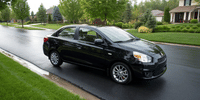
Every website and magazine seems to have a different "best of" list, making it hard to know who to trust. Our perspective is a little different. As a dealership, we see these vehicles day in and day out. We see which models hold up over time and which ones our customers love driving for years. This guide isn't based on theory; it's based on real-world experience with the hundreds of used suvs for sale that pass through our service center and showroom. We’ve filtered out the hype to give you a straightforward look at the vehicles that truly deliver exceptional value and dependability.
Key Takeaways
- Knowledge is your best negotiating tool: Walk into the dealership prepared by researching the SUV's market value, getting pre-approved for a loan, and setting a firm budget. This preparation gives you the confidence to secure a fair price.
- Look deeper than the shiny paint: A thorough test drive, a professional mechanical inspection, and a careful review of the vehicle history report are crucial. These steps uncover a vehicle's true condition and protect you from future surprises.
- Think beyond the purchase price: A great deal includes the total cost of ownership—like insurance, fuel, and maintenance. Prioritize practical features like modern safety tech and all-wheel drive that add real-world value to your daily drives.
Our Top Picks: The Best Used SUVs to Buy
Shopping for a used SUV can feel like a huge task, but it doesn't have to be. While there are countless options out there, a few models consistently rise to the top for their reliability, value, and overall owner satisfaction. Think of this list as your trusted starting point. We’ve seen thousands of vehicles come through our doors, and these are the ones that consistently impress us and their owners.
Whether you need a spacious vehicle for your growing family, a capable companion for weekend adventures, or a stylish ride that’s fun to drive, there’s a used SUV that fits the bill. The key is knowing what to look for. A great used vehicle offers the perfect balance of modern features and proven dependability, all at a price that makes sense for your budget. We’ve rounded up six of the best used SUVs that deliver on their promises and provide lasting value long after you drive off the lot. Let’s find the right one for you.
Mitsubishi Outlander: Value That Lasts
If you’re looking for a practical SUV that gives you a lot for your money, the Mitsubishi Outlander is a fantastic choice. It offers a smart blend of affordability and practicality, making it a go-to for budget-conscious families. One of its standout features in many model years is the standard third-row seating, which is a rare find in the compact SUV class and perfect for carpooling or extra passengers. The Outlander is a dependable and efficient vehicle that covers all the bases without breaking the bank. It’s a solid, no-nonsense SUV that you can count on for daily drives and family road trips.
Toyota RAV4: The Champion of Reliability
The Toyota RAV4 has earned its reputation as a reliability powerhouse for a reason. It’s the kind of vehicle you can trust to keep going, often lasting well beyond 200,000 miles with proper care. This incredible longevity makes it one of the smartest investments in the used SUV market. Beyond its durability, the RAV4 delivers a comfortable ride, plenty of cargo space for groceries or gear, and intuitive controls that make driving a breeze. If your top priority is finding a low-maintenance, long-lasting SUV that holds its value, the RAV4 is tough to beat. It’s a true champion of dependability.
Honda CR-V: Your Perfect Family Co-Pilot
For families on the go, the Honda CR-V is a top contender. It’s praised for its spacious interior, excellent fuel economy, and consistently strong safety ratings, making it an ideal co-pilot for your daily adventures. The CR-V is designed with practicality in mind, featuring a huge cargo area and clever storage spots that help keep your cabin organized. It’s comfortable, easy to drive, and packed with the kind of thoughtful features that make family life a little simpler. From school drop-offs to weekend getaways, the CR-V is a versatile and reliable partner that you can always count on.
Lexus RX 350: Accessible Luxury
Dreaming of a luxury vehicle without the brand-new price tag? The Lexus RX 350 is your answer. It perfectly combines high-end comfort with the legendary reliability of its parent company, Toyota. A used RX 350 gives you access to a whisper-quiet cabin, premium materials, and a smooth, composed ride that makes every trip feel like a first-class experience. It’s a vehicle that proves you don’t have to sacrifice dependability for a touch of luxury. For drivers who appreciate the finer things but also want a smart, long-term investment, the RX 350 offers the best of both worlds.
Subaru Outback: Ready for Any Adventure
The Subaru Outback is built for those who love to explore. With its standard Symmetrical All-Wheel Drive, it’s ready for anything from heavy Florida downpours to unpaved roads leading to your favorite hiking spot. The Outback’s unique wagon-like design gives it car-like handling while still offering the generous cargo space and higher ground clearance of an SUV. It’s the perfect vehicle for outdoor enthusiasts or anyone who simply wants the extra confidence that comes with a capable all-wheel-drive system. If your weekends are spent carrying bikes, kayaks, or camping gear, the Outback is ready for the challenge.
Mazda CX-5: Where Style Meets Performance
Who says a practical SUV can’t be fun to drive? The Mazda CX-5 breaks the mold with its stylish design and sporty handling. It’s known for providing a more engaging driving experience than many of its competitors, with responsive steering and a peppy engine that make daily commutes more enjoyable. Inside, the CX-5 often feels more expensive than it is, thanks to a well-crafted cabin with high-quality materials. It’s the perfect choice for someone who needs the utility of an SUV but doesn’t want to give up the thrill of a great drive. The CX-5 proves you can have both style and substance.
How to Know What a Used SUV Is Really Worth
Figuring out the right price for a used SUV can feel like a mystery, but it doesn't have to be. With a little research and the right approach, you can walk into any negotiation feeling confident and prepared. It’s not about finding a magical number; it’s about understanding the market and knowing what factors truly determine a vehicle’s value. This knowledge empowers you to spot a great deal and avoid overpaying. Think of it as your roadmap to getting the best possible SUV for your budget.
Use the Right Research Tools
One of the biggest mistakes you can make is not researching an SUV's market value before you start shopping. A few minutes of homework can save you from overpaying or missing out on a better deal elsewhere. Online pricing guides are your best friend here. Websites like Kelley Blue Book (KBB) provide reliable estimates based on what other people in our area have recently paid for the same vehicle.
To get an accurate number, you’ll need to know the SUV’s year, make, model, trim, mileage, and overall condition. These tools will help you determine a fair price by considering all the key factors, including the vehicle’s age and service history. This gives you a solid baseline before you even start looking at listings.
Understand What Affects the Price
The sticker price is just one piece of the puzzle. A smart buyer also considers the long-term value and ownership costs. Some vehicles hold their value better than others. If you buy an SUV with a reputation for poor resale value, you might have a tough time getting a good price for it later, even if you keep it in pristine condition.
It’s also crucial to understand the total cost of ownership, which includes the purchase price plus ongoing expenses like insurance, maintenance, and fuel. A cheaper SUV might end up costing you more over time if it has high insurance premiums or needs frequent repairs. Factoring in these long-term costs helps you make a more informed decision that fits your budget for years to come.
Get a Second (and Third) Opinion
Once you’ve done your research, it’s time to see how it lines up with what’s available in the real world. A great way to do this is to shop around online to see what local dealerships are asking for similar models. This helps you confirm you’re getting a fair deal and gives you a feel for the local market.
When you’re ready to talk numbers, always focus on negotiating the total price of the car, not just the monthly payment. A low monthly payment can sometimes hide a higher overall cost due to a longer loan term or higher interest rate. By focusing on the "out-the-door" price, you ensure you’re getting the best possible deal. This approach puts you in control of the conversation and helps you secure a price you’re happy with.
Your Pre-Purchase Inspection Checklist
Finding a used SUV that looks great is one thing, but knowing it’s mechanically sound is what really matters. Before you fall in love with a vehicle, it’s essential to give it a thorough inspection. Think of yourself as a detective looking for clues about the car’s past and its potential future. This checklist will help you spot potential issues early on, so you can feel confident you’re making a smart investment.
While we always recommend a final inspection by a trusted mechanic, doing your own initial check can save you time and help you narrow down your options. A few minutes of careful observation can tell you a lot about how the vehicle was maintained. Grab a notepad, and let’s walk through what to look for. This process empowers you to ask the right questions and ensures there are no surprises down the road.
What to Look for Inside and Out
Start with a slow walk around the vehicle. Look for any significant dents, rust spots, or scratches. Check if the paint color is consistent across all body panels—mismatched paint can be a sign of a past repair. Kneel down and inspect the tires. Is the tread worn down evenly? Uneven wear could point to alignment issues. Next, hop inside and take a deep breath. Any musty or strange odors could indicate a leak or mold. Check the upholstery for tears or stains, and test every single button and switch, from the power windows to the radio. For many drivers, modern tech features are a must, so connect your phone to the Bluetooth and test the infotainment system to make sure everything works as it should.
Key Checks Under the Hood
You don’t need to be a mechanic to spot obvious red flags under the hood. With the engine off and cool, pop the hood and start with the fluids. Pull out the oil dipstick—the oil should be a light brown color, not black and gritty. Check the transmission fluid; it should be reddish-pink and not have a burnt smell. Look at the belts and hoses for any visible cracks or fraying. Next, check the battery terminals for any fuzzy, white, or blueish corrosion, which could indicate a problem. Finally, have someone start the car while you listen. You want to hear a smooth, consistent hum, not any loud knocking, squealing, or ticking sounds.
Make the Most of Your Test Drive
The test drive is your chance to see how the SUV really performs on the road. Don’t just take a quick trip around the block. If possible, drive on a mix of city streets and highways to see how it handles at different speeds. Pay close attention to the brakes—they should feel firm and responsive, not spongy or squeaky. Does the vehicle pull to one side? Listen for any unusual noises, like clunking when you go over bumps or humming that gets louder as you speed up. This is also the time to explore the infotainment system and comfort features. Make sure you feel comfortable and in control behind the wheel.
Review the Vehicle History Report
A Vehicle History Report is a non-negotiable part of buying a used car. Reputable dealerships will provide one for you, but you can also get one yourself using the vehicle’s VIN. This report is a detailed record of the SUV’s life, and it can reveal critical information that you can’t see with your own eyes. It will show you if the vehicle has been in any reported accidents, if it has a salvage or flood title, and if there are any discrepancies with the odometer reading. A clean vehicle history report provides peace of mind and helps confirm that the car you’re considering has been well-cared for throughout its life.
Which Features Actually Add Value to a Used SUV?
When you’re comparing used SUVs, the list of features can feel endless. From panoramic sunroofs to fancy trim packages, it’s easy to get distracted by the extras. But which features actually make a difference in your daily drive and hold their value over time? Focusing on the right ones ensures you invest in a vehicle that truly fits your life, rather than just paying for bells and whistles you’ll rarely use.
The key is to prioritize features that add tangible benefits in four main areas: safety, technology, performance, and comfort. A car with solid safety systems and practical tech will serve you better than one with flashy rims but a clunky infotainment screen. Thinking about what you’ll use every day on your commute or weekend trips around Tampa Bay helps you cut through the noise and find an SUV that’s a genuinely great value. Let’s break down the features worth looking for in each of these categories.
Safety Features to Prioritize
Nothing is more important than feeling secure on the road, especially when you’re carrying precious cargo. While all modern cars have standard safety equipment, certain advanced driver-assistance systems (ADAS) provide an extra layer of confidence. Look for features like blind-spot monitoring, which alerts you to vehicles you might not see when changing lanes on I-4. Lane-keeping assist is another great one, offering gentle steering corrections to keep you centered.
Adaptive cruise control is a game-changer for highway driving, as it automatically adjusts your speed to maintain a safe distance from the car ahead. These systems aren’t just convenient; they actively work to help you avoid accidents. Prioritizing a used SUV with these technologies is one of the smartest investments you can make in your family’s safety.
Tech and Infotainment You'll Actually Use
A great infotainment system can make your drive more enjoyable and connected. The most valuable tech features are the ones you’ll use every single day. At the top of the list are Apple CarPlay and Android Auto. These systems mirror your smartphone’s interface on the car’s display, giving you easy access to maps, music, and messages in a familiar format. They’re often more intuitive and up-to-date than built-in navigation systems.
Beyond that, look for the basics done right: reliable Bluetooth for hands-free calls, plenty of USB ports for charging everyone’s devices, and a responsive touchscreen that doesn’t lag. During your test drive, take a minute to connect your phone and play with the system. If it’s frustrating to use in the parking lot, it’ll be even more so in traffic.
All-Wheel Drive and Other Performance Upgrades
You don’t need to live in a snowy climate to benefit from all-wheel drive (AWD). Here in Florida, we get our fair share of sudden, heavy downpours that can make roads slick and unpredictable. An SUV with AWD sends power to all four wheels, giving you better traction and stability when you need it most. It provides extra grip for more confident handling, whether you’re navigating a wet parking lot or a rain-soaked highway.
Beyond AWD, consider if you need any other performance-oriented features. If you plan on towing a boat or a small trailer, look for a model equipped with a factory tow package. This usually includes a hitch, upgraded cooling systems, and wiring that can save you a lot of hassle later. Think about your lifestyle and choose the features that support it.
Comfort Features That Make a Difference
Comfort is about more than just plush seats; it’s about how you feel after a long drive. Small details can significantly improve your daily experience. Power-adjustable seats with lumbar support, for example, can prevent back pain on your commute. Dual-zone automatic climate control is another must-have, putting an end to arguments over the temperature by letting you and your front passenger set your own preferences.
Don’t forget about your passengers, either. Rear air vents are essential for keeping backseat riders cool in the Florida heat. Other features like heated seats can be surprisingly nice on a cool morning or for soothing a sore back. During your test drive, pay attention to the little things—the seat comfort, the cabin quietness, and the overall ride quality. These are the features that contribute to long-term satisfaction.
Where to Find Your Next Quality Used SUV
Once you have a shortlist of models, the next big question is where to actually buy your SUV. The place you purchase from is just as important as the vehicle itself, influencing everything from price and quality to your overall peace of mind. You have a few great options, and the best one for you depends on how much risk you’re willing to take on and how much work you want to do yourself.
You could buy from a private seller, which sometimes offers a lower price but leaves you responsible for handling inspections, paperwork, and any problems that pop up after the sale. On the other end of the spectrum, a reputable dealership offers a blend of security and convenience that’s hard to beat. You get to see the vehicle in person, work with a knowledgeable team, and handle financing all in one place. Certified Pre-Owned programs take this a step further by offering manufacturer-backed quality assurance. Of course, online marketplaces provide a massive selection right at your fingertips, making it easy to compare options from home. Let’s look at how to make the most of each of these avenues.
The Value of Certified Pre-Owned Programs
If you’re looking for the sweet spot between a new and a used vehicle, a Certified Pre-Owned (CPO) program is your answer. Think of it as buying a used SUV with an extra layer of confidence. To earn the CPO label, a vehicle must pass a rigorous, multi-point inspection based on the original manufacturer's standards. These are vehicles that have met special requirements to ensure they are in top-notch condition.
This process usually means the SUV is a recent model with low mileage. The best part? CPO vehicles often come with benefits you won’t get in a private sale, like an extended manufacturer warranty, roadside assistance, and a detailed vehicle history report. It’s the perfect choice for buyers who want proven quality and protection against unexpected repairs.
Why a Reputable Dealership Matters
Walking onto a dealership lot gives you something you can’t get online: a tangible connection to the vehicles and the people selling them. A reputable dealership like ours carefully curates its used SUV inventory, ensuring you’re only looking at quality options. We handle the inspections and paperwork so you don’t have to. Plus, having a physical location means you have a dedicated team to turn to for test drives, financing questions, and future maintenance.
Working with an established dealer is also where you can find incredible value, as used SUVs often provide more features for your money compared to brand-new models. A good sales team can help you identify the vehicles that best fit your budget and lifestyle, offering a level of personalized service that makes the entire process smoother and more enjoyable.
Tips for Shopping Online Marketplaces
Online marketplaces are fantastic tools for starting your search. Websites like CarGurus let you browse thousands of listings and are packed with features to help you narrow the field. To shop effectively, use the filters to your advantage. You can screen for specific makes and models, set a firm price range, and even search for must-have features like all-wheel drive or a third-row seat.
Once you have a list, use the sorting tools to organize it in a way that makes sense for you. Sorting by "Best deals first" or "Lowest mileage first" can help you quickly spot the most promising options. While these sites are great for research and comparison, always plan to see your top contenders in person for a thorough inspection and test drive before making any commitments.
How to Finance Your Used SUV the Smart Way
Figuring out how to pay for your used SUV doesn’t have to be complicated. With a little preparation, you can walk into the dealership feeling confident and ready to make a smart financial decision. Understanding your financing options, the role your credit plays, and the power of a down payment puts you in control. Let’s break down what you need to know to finance your SUV without the stress.
Dealership Financing vs. Traditional Loans
You have two main paths for a loan: financing through the dealership or getting one from your bank. Dealership financing is incredibly convenient—you handle the test drive, paperwork, and loan all in one place. Here at Brandon Mitsubishi, our finance team works with multiple lenders to find competitive rates for you. Alternatively, your own bank might offer a slightly lower interest rate. The best strategy? Get pre-approved from your bank first. This gives you a rate to compare with the dealership’s offer, ensuring you get the best possible terms.
How Your Credit Score Affects Your Rate
Your credit score is a major factor in your auto loan’s interest rate. Lenders use this number to see how likely you are to repay your loan. A higher score signals lower risk, which usually means a lower interest rate, saving you thousands over the life of your loan. Before you apply for financing, it’s smart to check your credit score. Knowing where you stand helps you set realistic expectations and avoids surprises. If your score isn’t where you’d like it, you can take steps to improve it before you buy.
Smart Down Payment Strategies
A down payment is the cash you pay upfront, and it’s a powerful tool. The more you put down, the less you borrow. This lowers your monthly payment, reduces the total interest you’ll pay, and helps you build equity faster. A larger down payment can also help you qualify for a better interest rate. While 20% is a great goal, any amount helps. Aim for at least 10% of the vehicle’s price if possible. Don’t forget your trade-in can be a huge part of your down payment. You can easily estimate your trade-in’s value online to see how it can help.
How to Negotiate a Great Deal on a Used SUV
Negotiating the price of a car can feel intimidating, but it doesn’t have to be. Think of it less as a battle and more as a conversation to find a price that works for everyone. At a reputable dealership, the goal is to build a relationship, not just make a one-time sale. A good salesperson wants you to feel great about your purchase so you’ll come back for service and your next vehicle. When you walk in prepared, you signal that you’re a serious buyer who respects the process, which helps create a positive and productive atmosphere.
The key to a successful negotiation is confidence, and confidence comes from preparation. It’s about knowing the vehicle’s worth, understanding your own budget, and being clear about what you need. This isn’t about trying to pull a fast one; it’s about ensuring you get a fair price on a vehicle you love. A little bit of prep work is all it takes to get there. Being informed, polite, and firm about your budget will make the entire experience smoother and more successful for both you and the sales team. Let’s walk through the simple steps to ensure you get a fantastic deal on your next used SUV.
Do Your Homework First
Before you even think about making an offer, your most important tool is research. Use online resources to find the market value for the specific SUV you’re interested in, factoring in its year, model, trim, and mileage. This number is your anchor and gives you a solid, fact-based foundation for your conversation. When a sales associate quotes you a price, you can simply mention that you’ve done some outside research into the vehicle’s market value. This shows you’re a serious and informed buyer. It’s also crucial to set a clear budget for yourself—and stick to it. Knowing your absolute maximum price helps you stay focused and avoid overspending.
How to Make a Confident First Offer
When you’re ready to talk numbers, start by offering a price that is slightly below the fair market value you researched. This isn’t about lowballing; it’s about creating a realistic starting point that gives you room to maneuver as you and the dealership work toward a final price. You can ground your offer in the facts you’ve gathered. For example, you could mention the vehicle’s age, mileage, condition, or service history to explain how you arrived at your number. A calm, reasonable approach shows that you’re serious about buying and helps move the conversation forward in a positive way.
Negotiation Mistakes to Avoid
A few common pitfalls can undermine your efforts, so it’s good to know what to watch out for. One of the biggest mistakes is focusing only on the sticker price. Remember to consider the overall value of the deal, including your trade-in, financing terms, and any included warranties. Similarly, don’t just rely on how a car looks. A vehicle might appear to be in great shape but could have hidden issues. Always review the vehicle history report and get a pre-purchase inspection. Finally, try not to get too emotionally attached to a single car. Your willingness to walk away if the deal isn’t right is your most powerful tool.
Avoid These Common Used SUV Buying Mistakes
Buying a used SUV is an exciting process, but it's easy to get tripped up by a few common mistakes. A little awareness goes a long way in making sure you drive off the lot with a vehicle you love—and a deal you feel great about. Let's walk through some of the most frequent missteps so you can sidestep them completely. Knowing what to watch for is the best way to protect your investment and ensure your new-to-you SUV is a source of joy, not stress. From the initial inspection to the final signature, a smart approach makes all the difference.
Skipping the Professional Inspection
It might seem like an extra step, but getting a professional, third-party inspection is one of the smartest moves you can make. A test drive and a visual once-over can't reveal everything. Skipping this step can lead to costly repairs down the line, as hidden issues may not be apparent during a casual inspection. Think of it as a small investment for major peace of mind. A trained mechanic can spot potential problems with the engine, transmission, or frame that you might miss. When you buy from a trusted dealership, we've already done the heavy lifting with our own rigorous inspections, giving you a transparent look at the vehicle's condition from the start.
Focusing Only on the Monthly Payment
That low monthly payment can be tempting, but it doesn't tell the whole story. Many buyers make the mistake of focusing solely on the monthly payment rather than the overall cost of the vehicle. A lower payment might be attached to a much longer loan term, meaning you'll pay significantly more in interest over time. Instead, look at the total price of the SUV, the interest rate, and the length of the loan. Using an auto loan calculator can help you see the big picture and understand how different terms affect what you ultimately pay. This ensures you get a deal that's truly good for your budget, not just one that looks good on paper.
Forgetting the Total Cost of Ownership
The sticker price is just the beginning. To truly know if an SUV fits your budget, you have to consider the total cost of ownership. This includes everything from insurance premiums and annual registration fees to fuel costs and routine maintenance. Some vehicles are simply more expensive to own than others, even if their purchase prices are similar. Ignoring these ongoing expenses can lead to unexpected financial strain down the road. Before you commit, take a moment to estimate the long-term costs associated with the specific make and model you're considering. A reliable vehicle with good fuel economy might save you thousands over the years.
Not Checking the Vehicle's History
A vehicle's past can tell you a lot about its future. That's why failing to check the vehicle's history report is a significant oversight. This report is your window into the SUV's life before it met you, revealing crucial information about past accidents, title issues like flood or salvage branding, and its service history. This isn't a step you want to skip, especially when buying from a private seller. Reputable dealerships will always provide a vehicle history report for their pre-owned inventory because transparency is key to building trust. It’s an essential piece of the puzzle that helps you make a truly informed decision.
Common Myths About Buying a Used SUV
Shopping for a used SUV can feel overwhelming, and a lot of the "advice" you hear is actually outdated or just plain wrong. Let's clear the air and tackle some of the biggest myths about buying a pre-owned vehicle. Understanding the truth can help you shop with confidence and find a fantastic SUV that fits your life and budget perfectly.
Myth: "Used SUVs are unreliable."
It’s easy to think that "new" automatically means "better," but that's not always the case. Many people believe buying a brand-new car is the only way to guarantee you're getting a dependable vehicle. This idea, however, overlooks the incredible value and reliability that a pre-owned SUV can offer. Many used vehicles on the market are well-maintained, come with a complete service history, and can be just as trustworthy as a new model. A well-cared-for used SUV is often a smart financial choice that provides years of dependable performance without the steep depreciation of a new car.
Myth: "It's hard to get a loan for a used vehicle."
This is one of the most persistent myths out there, and it keeps a lot of people from even considering a used SUV. The reality is that financing a used car is very similar to financing a new one. Lenders and dealerships offer competitive rates and flexible terms for pre-owned vehicles all the time. In fact, there are plenty of financing options available that make the process straightforward. Don’t let the fear of a difficult loan process stop you from exploring the great used SUVs available—securing financing is often much easier than you think.
Myth: "Used SUVs lack modern safety features."
If you’re picturing a used SUV with nothing but seatbelts and an AM/FM radio, it’s time for an update. While a 15-year-old model might lack some current tech, many recent-year used SUVs are packed with the same safety features you’d find in a new car. You can absolutely find pre-owned models equipped with advanced safety features like blind-spot monitoring, adaptive cruise control, and lane departure warnings. These technologies give you peace of mind on the road without the brand-new price tag. It’s all about finding the right model from the last few years.
Find Your Perfect Used SUV at Brandon Mitsubishi
When you start looking for the perfect used SUV, the number of options can feel a little overwhelming. But here at Brandon Mitsubishi, we focus on making the process simple and straightforward. We stock a diverse selection of high-quality used SUVs because we know every driver in the Brandon and Tampa Bay area has different needs. Our main goal is to help you find a reliable vehicle that you'll love for years to come, without the stress.
Peace of mind is a big deal when buying pre-owned. That’s why we prioritize vehicles with a history of being well-maintained and, whenever possible, an accident-free record. But a clean history is just the start. Many of our used SUVs come equipped with the advanced safety technologies you’d expect in a brand-new car. Features like blind-spot monitoring, lane-keeping assist, and adaptive cruise control aren't just nice-to-haves; they make every drive safer for you and your family.
Beyond safety, the right SUV has to fit your life. Are you packing up the family for a weekend at Fort De Soto Park and need serious cargo space? Or maybe you need enough towing power for a boat on the Alafia River? It's so important to find a vehicle that fits your lifestyle perfectly. Our team takes the time to understand what you're looking for, whether it's all-wheel drive for rainy Florida roads or a third row for the kids' soccer team.
With our commitment to customer satisfaction and a wide array of options, Brandon Mitsubishi is the place to find your next used SUV. We believe in building relationships, not just making sales. Stop by and let us help you find a vehicle that doesn't just meet your needs but gets you excited to get behind the wheel.
Frequently Asked Questions
How do I know if I'm getting a fair price on a used SUV? Knowing you’re getting a fair price starts with a little homework before you ever visit a dealership. Use online guides like Kelley Blue Book to find the market value for the specific model you’re interested in. This gives you a solid, data-backed starting point. It’s also smart to look at what similar vehicles are listed for in the Brandon area to get a feel for the local market. When you’re ready to talk numbers, focus on the total "out-the-door" price rather than just the monthly payment to ensure you’re getting the best overall deal.
Is a Certified Pre-Owned (CPO) vehicle really that different from other used cars? Yes, there’s a significant difference. Think of a CPO vehicle as the best of the best in used inventory. To earn that certification, an SUV has to be a recent model with low mileage and pass a detailed multi-point inspection set by the manufacturer. This process is far more rigorous than a standard used car check. CPO vehicles also typically come with benefits like an extended warranty and roadside assistance, giving you a level of confidence and protection that’s very similar to buying new.
I'm not a car expert. What's the best way to make sure an SUV is mechanically sound? This is a common concern, but you have great tools at your disposal. The first is the vehicle history report, which is a must-have. It reveals any reported accidents, title issues, or odometer discrepancies. Second, while our dealership thoroughly inspects every vehicle, we always support getting a final opinion from your own trusted mechanic for ultimate peace of mind. This combination of a clean history report and a professional inspection is the best way to feel completely confident in your purchase.
Do I really need all-wheel drive (AWD) if I live in Florida? While we don't get snow, all-wheel drive is still an incredibly valuable feature here. Think about our sudden, heavy downpours that can make roads slick in an instant. AWD provides significantly better traction and stability on wet pavement, giving you more control and confidence behind the wheel. It’s not about off-roading; it’s about having a safer, more secure grip on the road during those unpredictable Florida storms.
What's more important: a newer model year or lower mileage? This is a classic trade-off, and the best answer depends on your priorities. A newer model might offer more modern tech and updated safety features, even with slightly higher mileage. On the other hand, an older model with very low mileage may have less wear and tear on its engine and transmission. The key is to look at the whole picture. A well-maintained, high-mileage vehicle can often be a better choice than a neglected, low-mileage one, so always prioritize a comprehensive service history.